
News
-
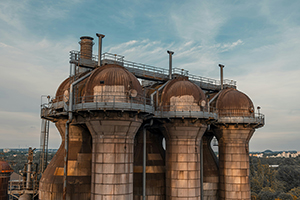 08-12-11The main crude oil futures contract in the New York market closed moderately higher, briefly exceeding $46 during the session. There are rumors in the market that Saudi Arabia may significantly reduce production in January next year.
-
 08-11-05The U.S. Department of Energy announced on the 4th that it will no longer borrow crude oil from the Strategic Petroleum Reserve to any refinery.
-
 08-10-09As the sharp increase in U.S. crude oil commercial inventories last week intensified investors' concerns about the economic downturn suppressing demand for crude oil, international oil prices fell back below $90 per barrel again on the 8th, and oil prices in the New York market hit the lowest trading price this year.
-
 08-09-10As international oil prices continue to fall, the meeting held by the International Petroleum Exporting Organization (OPEC) in Vienna yesterday was once considered by the market to be a "production reduction" summit. However, all member countries participating in the meeting yesterday expressed their intention to maintain output unchanged.
-
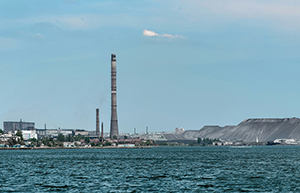 08-08-09British stocks closed higher on Friday, as a sharp fall in crude oil prices eased concerns about inflation, encouraging gains in bank stocks and retailers. The gains outperformed losses in mining stocks triggered by weaker metal prices, pushing the broader market higher.
-
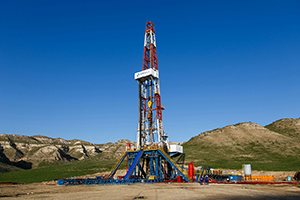 08-07-10The "BP World Energy Statistics 2008" released today reveals: In the past year, most renewable energy has experienced rapid growth, with global wind and solar installed capacity increasing by 28.5% and 37% respectively, and ethanol production increasing by 27.8%.
-
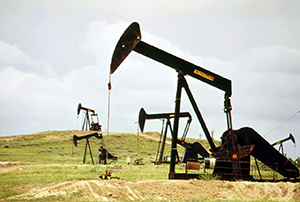 08-06-07According to an article published in the New York Times on June 6, oil prices surged on Friday, with crude oil futures rising by US$11 per barrel, and oil prices soaring to US$138 per barrel.
-
 08-05-14As China's GDP growth from January to March exceeded expectations and transportation increased, the IEA raised China's oil demand forecast for 2008 to an average of 7.9 million barrels per day.