News
Maintenance Guide for Air-Source Heat Pump After the Heating Season
With heating services across the country
gradually shutting down for the season, air-source heat pump systems are also
entering their shutdown phase. BANDON has compiled a detailed maintenance guide
to help you care for your unit after the heating season ends; proper
maintenance not only extends the equipment's lifespan but also ensures it
continues to provide warmth and comfort, keeping the system in optimal
condition for the coming winter.
1. Power Disconnection and Protection
(1) Power-off Procedure
If the unit will not be used for an
extended period after the heating season ends, it should be shut down and
disconnected from the power supply. This not only protects the equipment and
extends its service life but also reduces safety risks. When disconnecting
power, first flip down the circuit breaker inside the electrical control box,
then close the box door to prevent rainwater ingress.
(2) Unit Protection
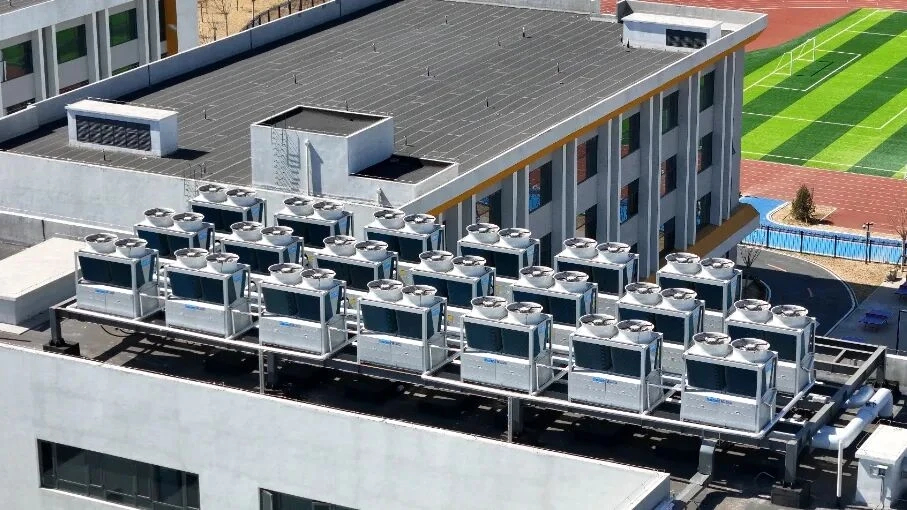
When the equipment is out of use for a long
time, use a protective cover to shield the water pump, valves, piping, and main
unit. This prevents dust accumulation caused by wind and sun exposure, as well
as accidental scratches or damage from sharp objects.
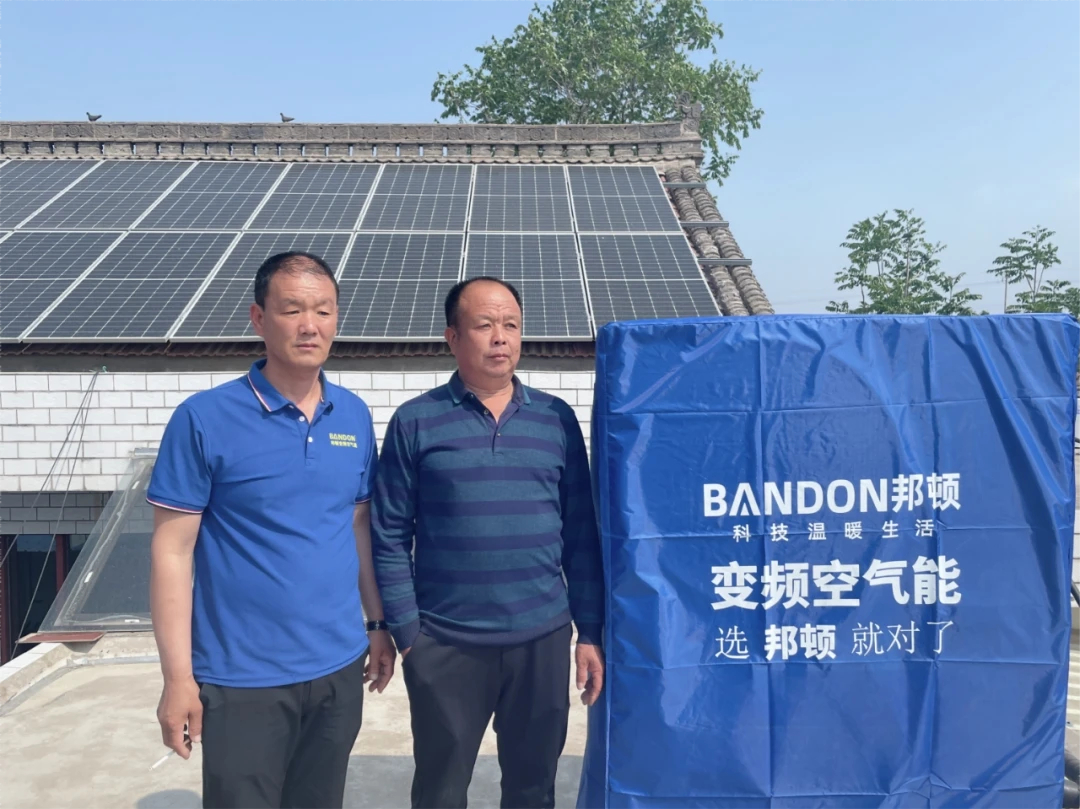
(3) Protective Covering
Install a dust cover (made of breathable
material) over the outdoor unit to protect it from direct sunlight, rain, and
dust accumulation. Note: Do not use airtight plastic sheeting, as this traps
internal moisture and can lead to component corrosion.
2. System Drainage and Freeze Protection
(1) System Drainage
If the system is not intended for use after
the heating season ends, the water in the piping must be drained before the
next heating season to prevent the unit's piping from freezing and bursting.
(2) Antifreeze Management
Do not drain the antifreeze from the unit's
piping. Generally, the antifreeze should be inspected every 2 to 3 years; if it
emits an odor or becomes viscous, it must be replaced promptly.
3. Cleaning and Inspection
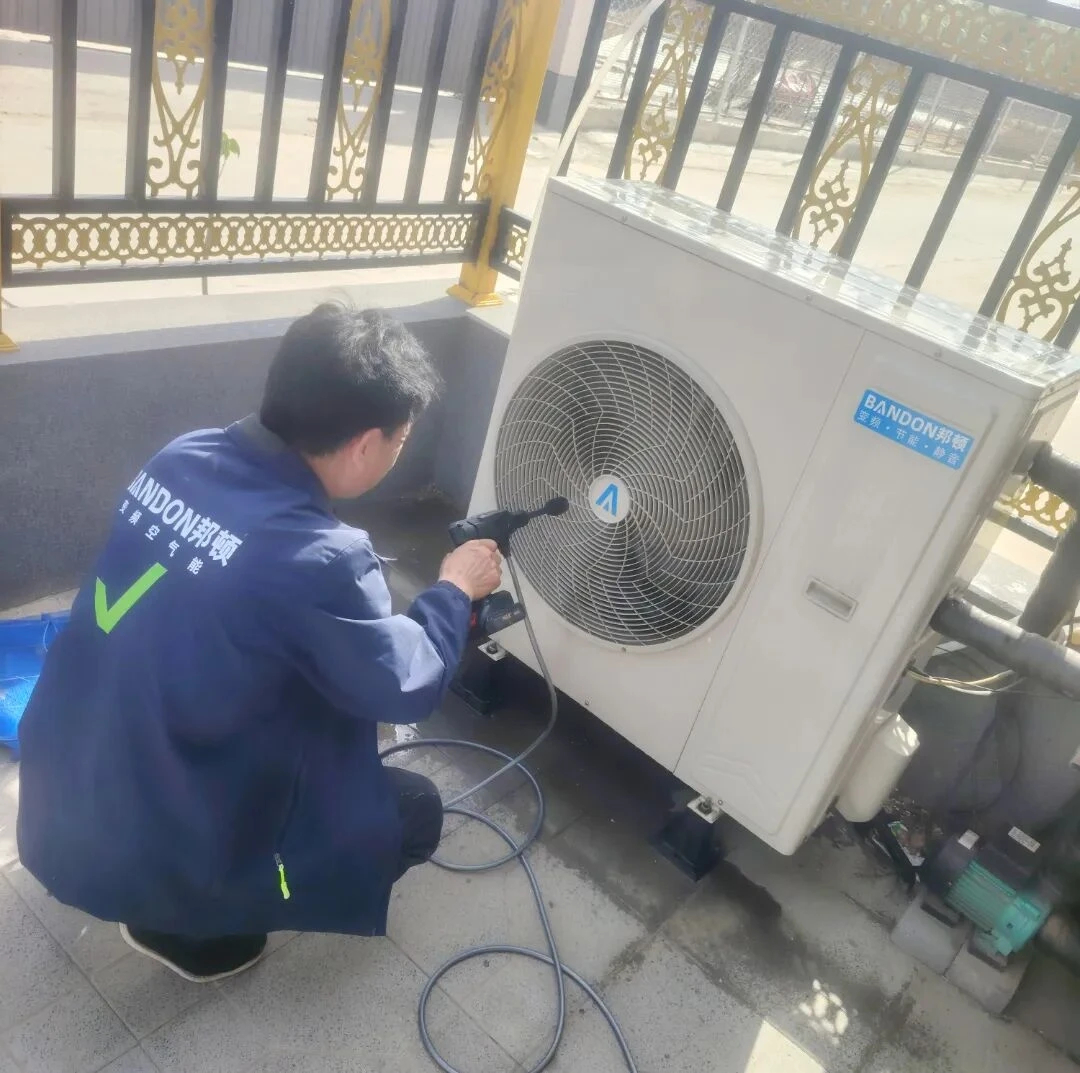
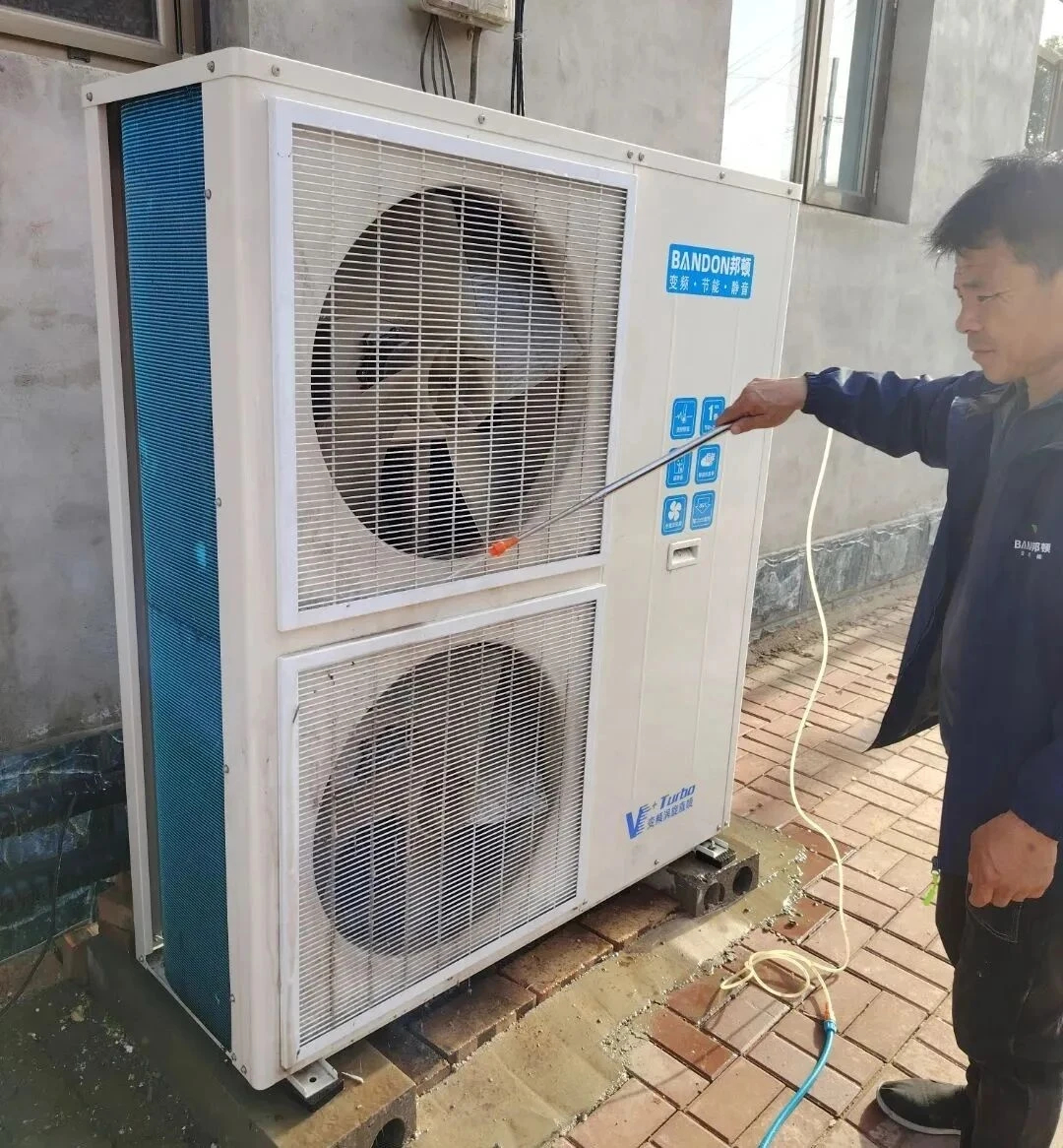
(1) Clean the finned heat exchanger
Dust and debris tend to accumulate on the
heat dissipation fins of the air-source heat pump's outdoor unit, which can
impair heat exchange efficiency. It is recommended to use a soft-bristled brush
to remove dust, fallen leaves, and other debris from the fins to maintain good
airflow; if using a high-pressure water sprayer for cleaning, switch it to
low-pressure mode to avoid deforming the fins.
(2) Check for water leaks
After the heating system is shut down,
leaks may occur at pipe connections and valves due to thermal expansion and
contraction. Users should monitor for leaks and tie a towel around the leaking
area to absorb the water; the issue usually resolves itself after a few days.
If the leakage is severe, contact a professional immediately for repairs.
(3) Inspect system piping
Take measures to prevent leaks, rust, and
corrosion, and ensure the piping system is free of leaks.
By following the maintenance guidelines
above, you can ensure that the air-source heat pump equipment is properly
serviced after the heating season, fully preparing it for efficient operation
during the next heating season.